
Anti-Inflammatory Foods Guide
Explore our comprehensive collection of nutrient-dense foods recommended by nutritionists to support a balanced, anti-inflammatory lifestyle.
Filter by Category
Featured Anti-Inflammatory Foods
Leafy Greens
Spinach, kale, and Swiss chard are powerhouses of antioxidants and phytonutrients. Rich in vitamins K, C, and folate, these greens support cellular repair and reduce inflammatory markers in the body. Incorporate them raw in salads or cooked in soups for maximum benefit.
Learn More →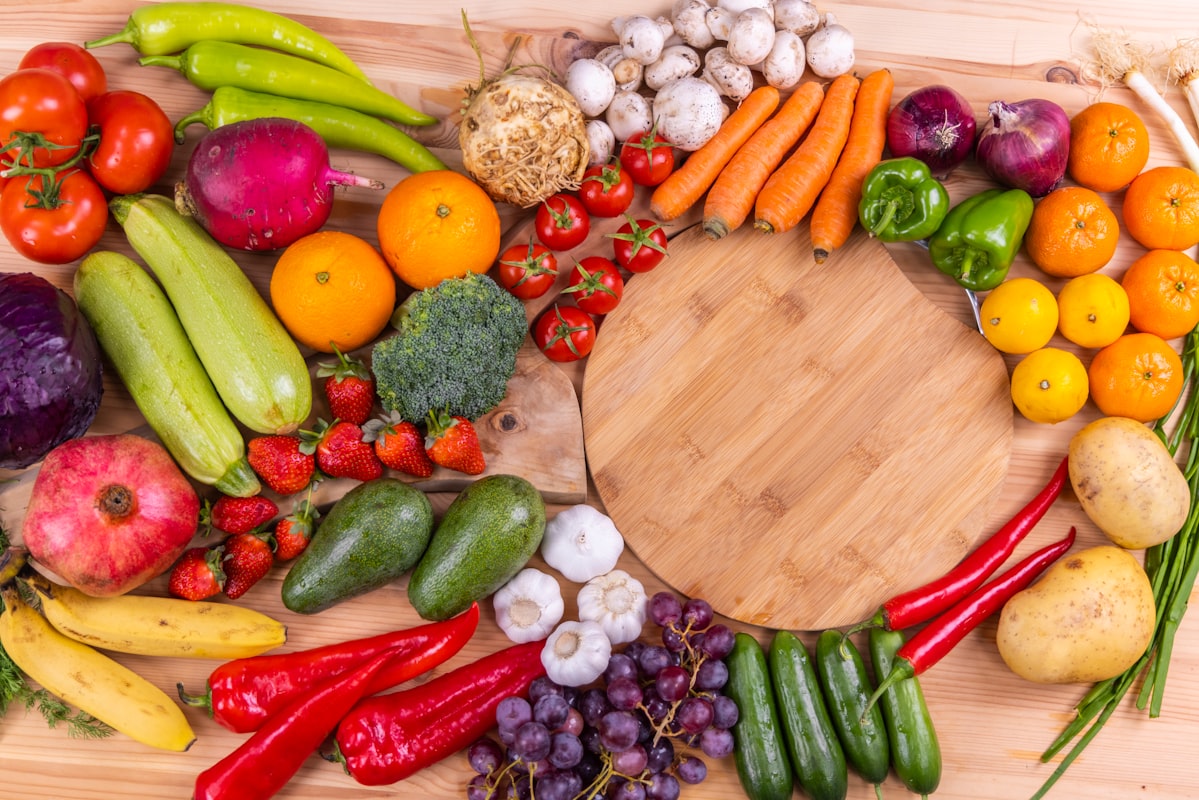
Cruciferous Vegetables
Broccoli, cauliflower, and Brussels sprouts contain sulforaphane, a compound with potent anti-inflammatory properties. These vegetables also provide fibre for digestive health and support immune function. Steam or roast them lightly to preserve their nutritional content.
Learn More →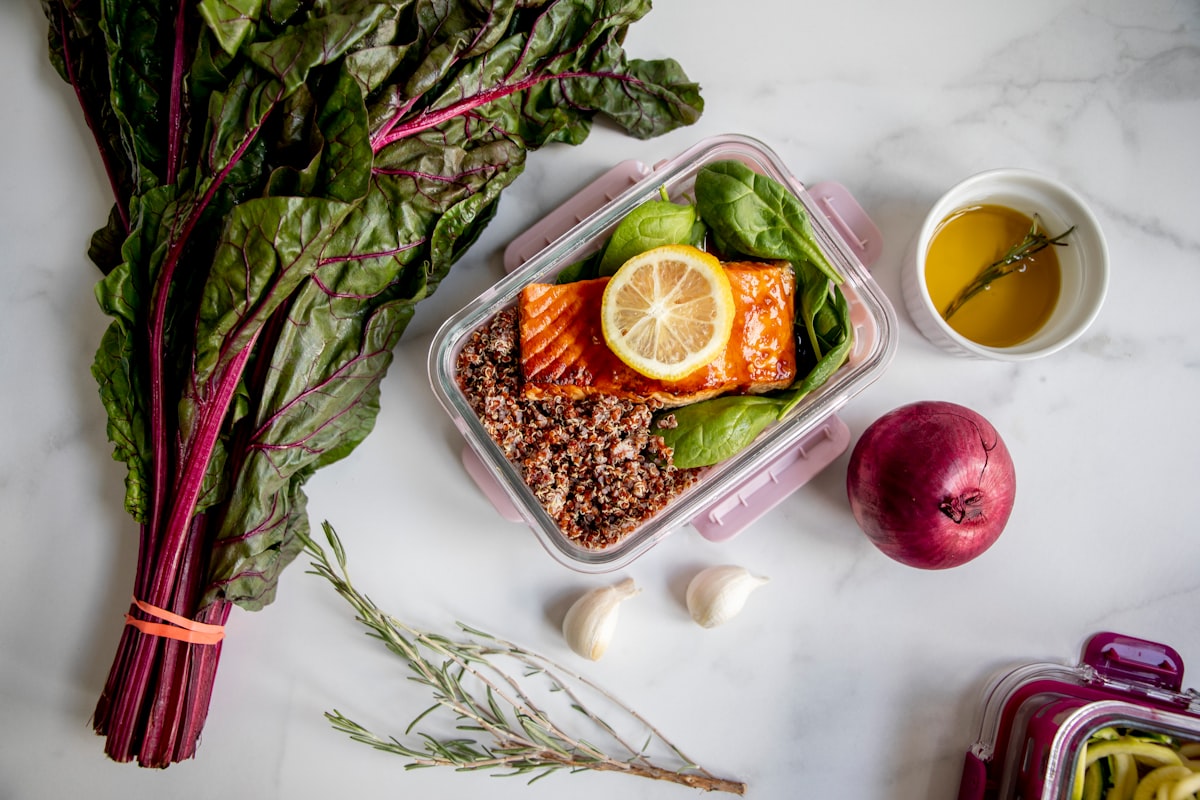
Turmeric & Ginger
Turmeric contains curcumin, one of nature's most studied anti-inflammatory compounds. Ginger provides gingerols and shogaols with similar properties. Together, they create a powerful base for golden milk or can be added to curries, smoothies, and tea for daily wellness support.
Learn More →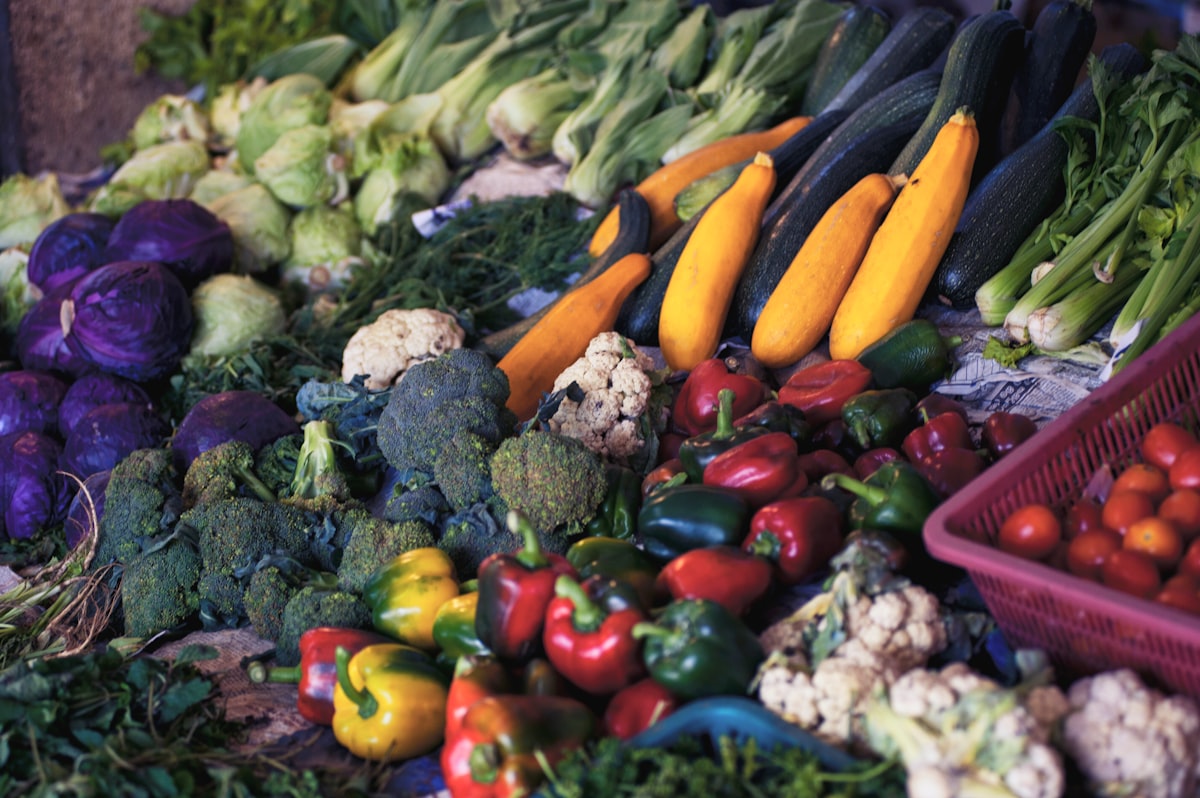
Berries
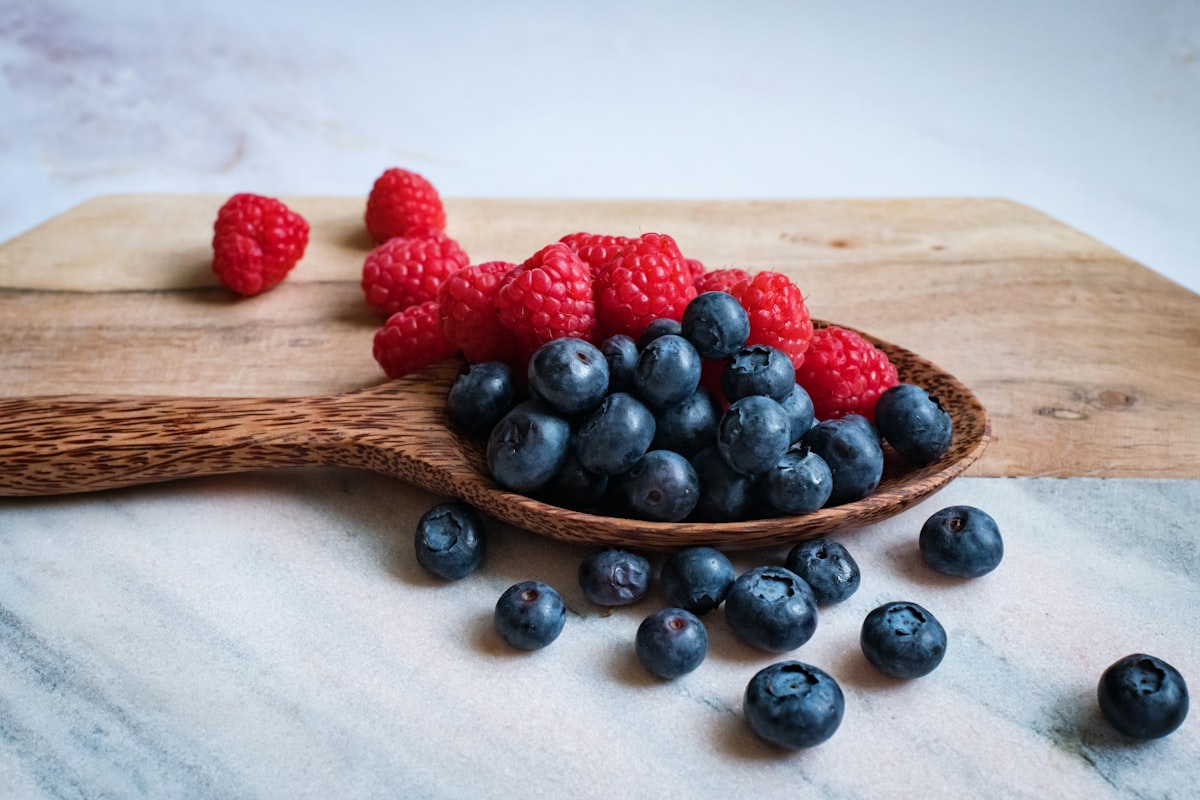
Blueberries, raspberries, and strawberries are rich in anthocyanins and other polyphenols that combat oxidative stress. Their natural sweetness makes them ideal for breakfast bowls, smoothies, or as standalone snacks. Fresh or frozen varieties retain their anti-inflammatory benefits year-round.
Learn More →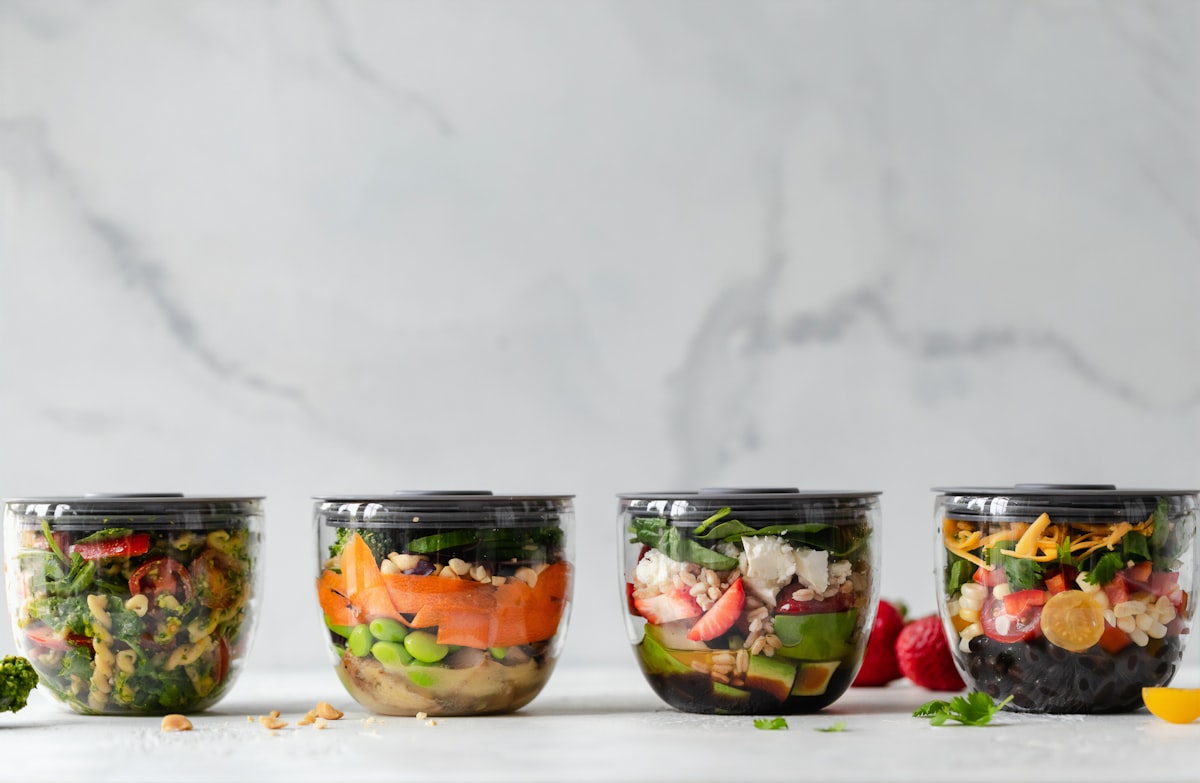
Stone Fruits
Cherries, peaches, and plums contain natural melatonin and polyphenols that support sleep quality and reduce inflammation markers. Sour cherry juice is particularly noted in wellness research for its natural compounds. Enjoy them fresh during peak season or dried as convenient snacks.
Learn More →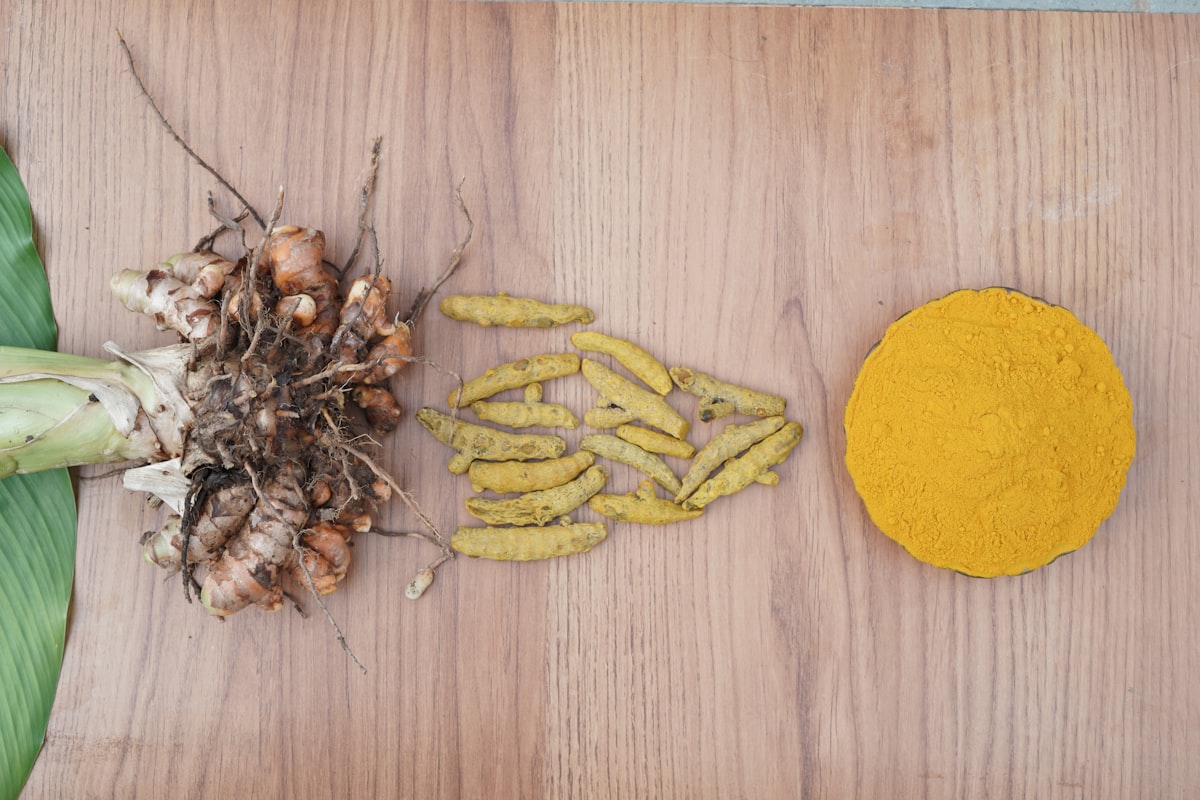
Fatty Fish
Salmon, mackerel, and sardines are excellent sources of omega-3 fatty acids EPA and DHA, which actively reduce inflammatory markers throughout the body. These fish also provide high-quality protein and vitamin D. Aim for two servings weekly to support cardiovascular and cognitive health.
Learn More →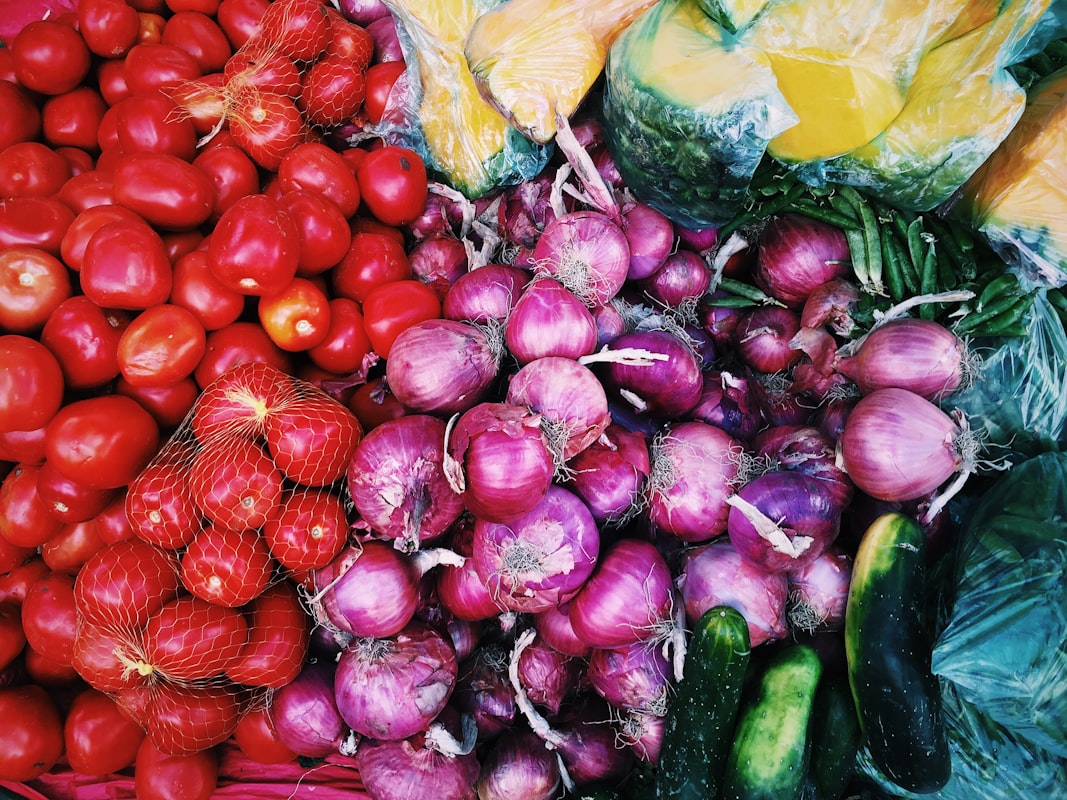
Legumes & Beans
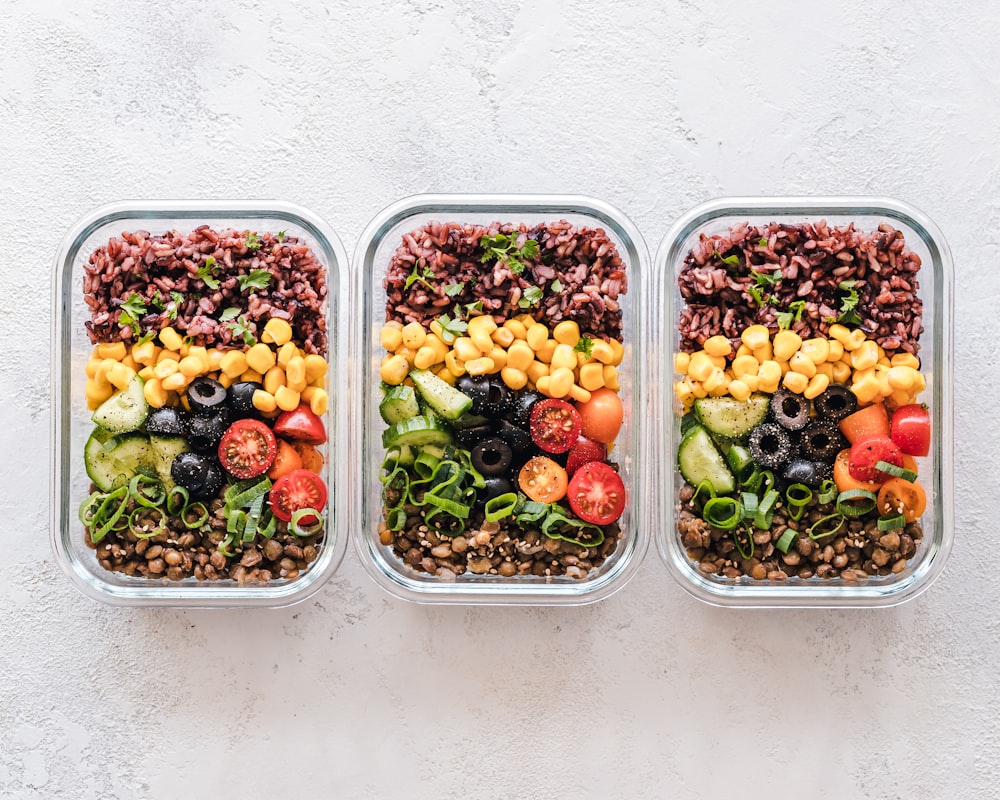
Lentils, chickpeas, and black beans deliver plant-based protein alongside fibre and polyphenols. They support gut microbiome diversity, which is crucial for managing inflammation systemically. Include them in soups, salads, or pureed as hummus for versatile, nutrient-dense meals.
Learn More →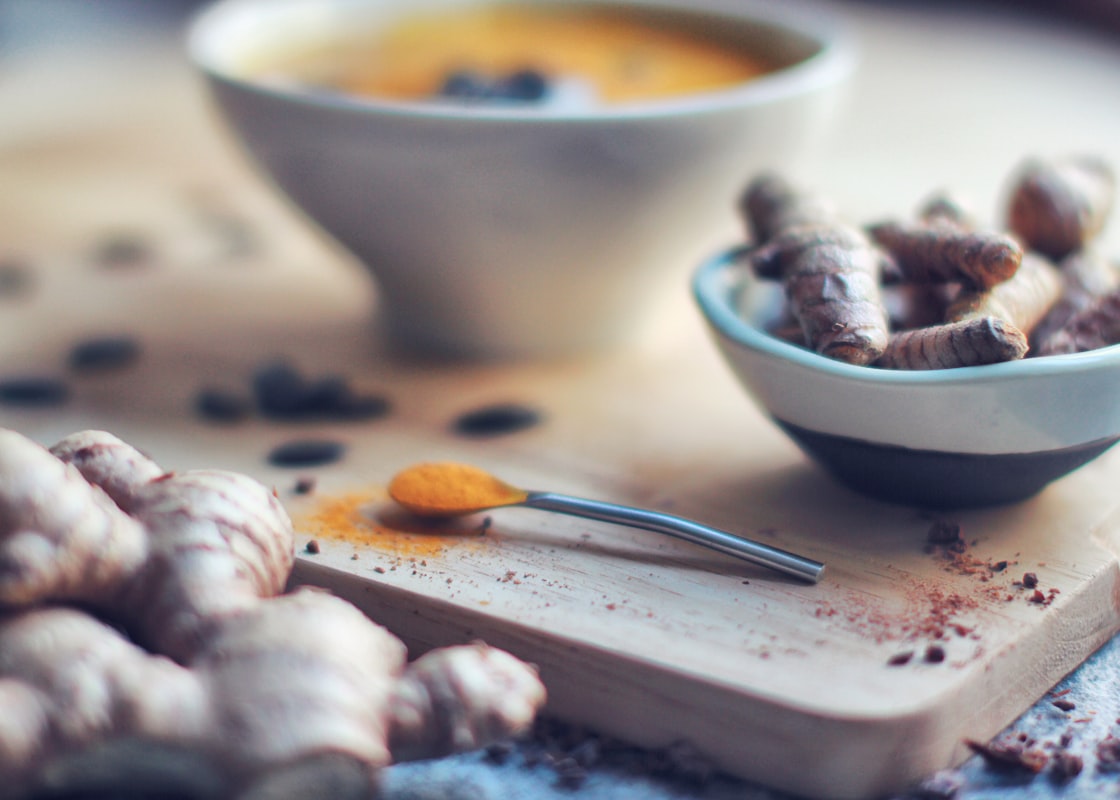
Extra Virgin Olive Oil
Extra virgin olive oil contains oleocanthal, a compound with anti-inflammatory effects similar to certain medications. Use cold-pressed oil for dressings and low-heat cooking to preserve its bioactive compounds. A daily drizzle on salads or vegetables supports long-term wellness.
Learn More →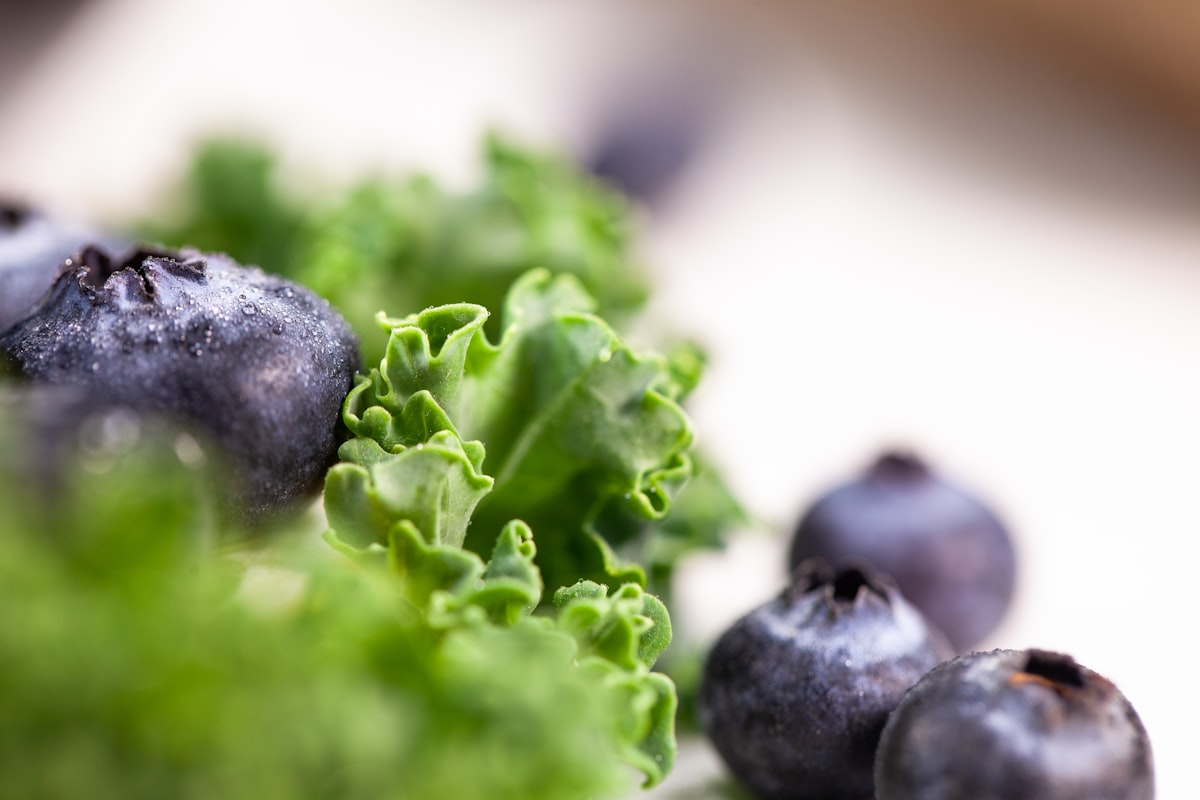
Nuts & Seeds
Almonds, walnuts, and flaxseeds provide alpha-linolenic acid and vitamin E, both anti-inflammatory nutrients. They also contain fibre and minerals that support overall cellular health. A handful of raw nuts or seeds makes an excellent snack, or add them to smoothies and breakfast bowls.
Learn More →
Whole Grains
Oats, quinoa, and brown rice provide complex carbohydrates, fibre, and phytonutrients that stabilise blood sugar and support gut health. Their resistant starch feeds beneficial bacteria, which produce short-chain fatty acids with anti-inflammatory effects. Choose whole grains over refined varieties consistently.
Learn More →
Colourful Bell Peppers
Red, yellow, and orange bell peppers are loaded with vitamin C and carotenoids, powerful antioxidants that protect cells from inflammation-driving oxidative damage. Their sweet flavour makes them enjoyable raw or roasted. Include a variety of colours in your weekly meals for maximum nutritional diversity.
Learn More →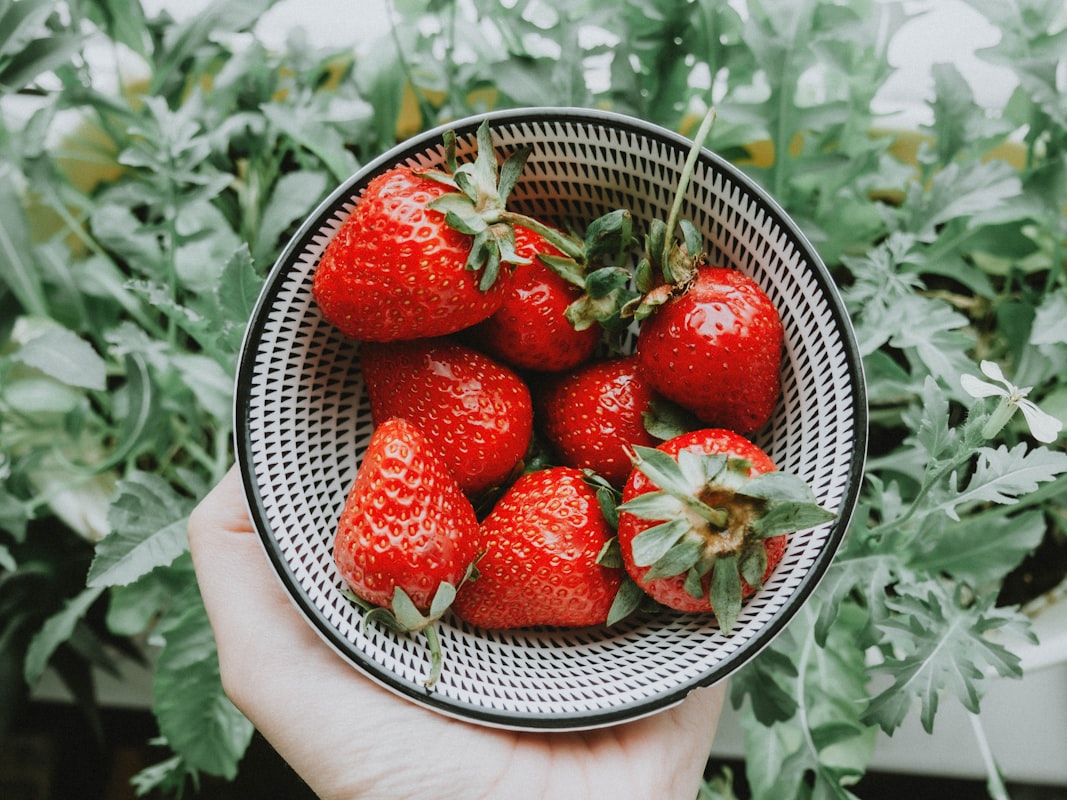
Avocados
Avocados are rich in monounsaturated fats and contain compounds that may modulate immune responses and reduce inflammatory markers. They pair beautifully with leafy greens, whole grains, or on their own as a creamy spread. One per day supports sustained energy and nutrient absorption.
Learn More →Frequently Asked Questions
Why Anti-Inflammatory Eating Matters
Chronic inflammation is increasingly recognised as an underlying factor in many modern health challenges. By choosing foods rich in antioxidants and anti-inflammatory compounds, you're supporting your body's natural ability to maintain balance and vitality.
The foods featured in this guide have been studied extensively by nutritionists and researchers. They work best as part of a consistent, whole-foods-focused eating pattern rather than as isolated interventions.
Explore More Nutrition Insights
Our editorial team at Mindful Eating Studio regularly publishes evidence-based articles about food, nutrition, and balanced eating. Visit our blog for recipes, nutritionist recommendations, and in-depth guides.
Read Our Latest Articles